
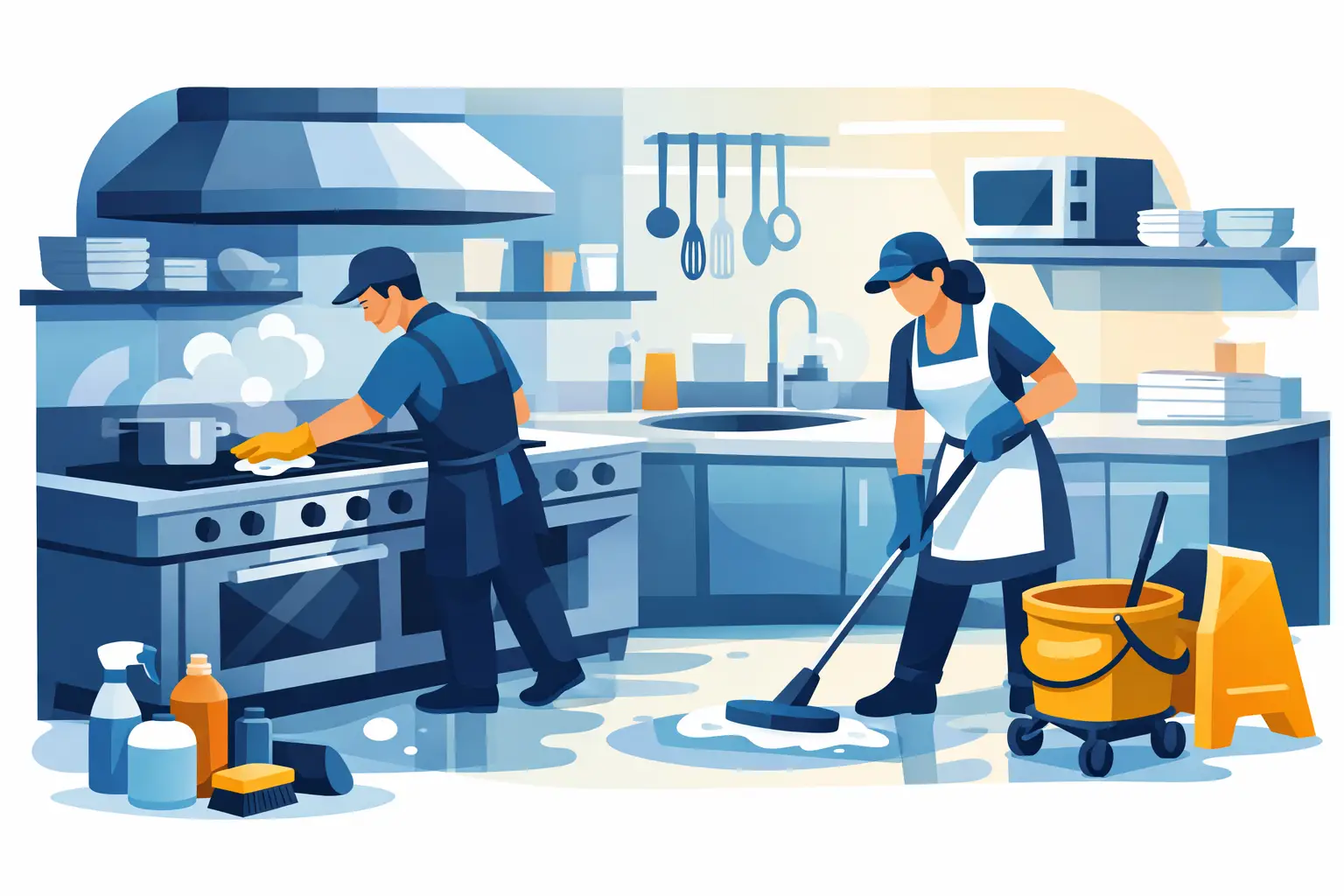
A busy restaurant kitchen can look clean at the end of service while grease sits behind equipment, food particles collect in floor drains, and touchpoints carry the residue of a full shift. Restaurant kitchen cleaning Doha businesses need is not a quick wipe-down before the next opening. It is a dependable hygiene routine that protects staff, supports food safety, and keeps the kitchen ready to perform.
Thank you for reading this post, don't forget to subscribe!For restaurant owners and managers, cleaning has to fit around prep, service, deliveries, and closing duties. The right professional team works with that reality. They arrive on time, follow an agreed scope, clean with care around valuable equipment, and leave clear, visible results without adding pressure to an already demanding operation.
Why Restaurant Kitchen Cleaning in Doha Needs a Plan
Heat, humidity, frequent cooking, and long operating hours make commercial kitchens a tough environment to maintain. Grease travels farther than most teams expect. It settles on walls, tiles, equipment exteriors, shelves, door handles, and the areas beneath fryers and cookers. If it is left in place, it can create odors, attract pests, make floors slippery, and make a kitchen feel neglected even when the counters are clean.
A planned cleaning program separates everyday responsibilities from the deeper work that is easy to postpone. Kitchen staff should still clean and sanitize food-contact surfaces during and after service. Professional cleaners can then handle the buildup, hard-to-reach areas, detailed floor work, and scheduled sanitation that require more time and the right approach.
The exact schedule depends on the restaurant. A high-volume restaurant with frying stations may need intensive degreasing far more often than a small cafe with a limited menu. A restaurant that operates late may prefer cleaners after closing, while a hotel kitchen may need work completed in carefully coordinated sections. The goal is the same: keep hygiene standards consistent without disrupting service.
What a Professional Kitchen Clean Should Cover
A quality commercial kitchen service begins with a walkthrough. Before cleaning starts, the team should understand the layout, cooking methods, high-traffic zones, and the areas that concern the manager most. This avoids a generic service and helps create a practical checklist for the site.
Degreasing the Areas That Collect the Most Buildup
Cooking lines need close attention. Equipment exteriors, splashbacks, tiled walls, worktables, shelving, and the space around and beneath appliances can all collect oil and grime. Degreasing should be matched to the surface, because harsh products or poor techniques can damage finishes, leave residue, or create unnecessary odors in a food-preparation area.
Professional cleaning is especially useful when equipment cannot easily be moved during a normal shift. A trained team can clean around accessible areas carefully and help restore the orderly appearance that staff and customers notice. For internal appliance servicing, gas work, electrical work, or dismantling equipment, use the appropriate qualified technician. Cleaning and technical maintenance serve different purposes, and a reliable provider should be clear about that boundary.
Floors, Drains, and Corners That Get Missed
Kitchen floors face water, oil, dropped food, and constant foot traffic. A proper clean focuses on edges, corners, under accessible equipment, and grout lines rather than only the open floor. This improves the appearance of the kitchen and can help reduce slippery conditions caused by grease buildup.
Drains and surrounding floor areas also deserve regular attention. They should be cleaned according to the restaurant’s operating procedures and local requirements. If there is a recurring foul odor, slow drainage, or evidence of a blockage, cleaning alone may not solve the issue. It may be time to contact a plumbing or drainage specialist before the problem interrupts service.
Touchpoints, Storage, and Waste Areas
Door handles, refrigerator handles, switches, storage shelves, bins, and back-of-house doors are used repeatedly throughout the day. These areas can be overlooked when staff are focused on food preparation and service. Detailed cleaning and appropriate sanitation help create a more hygienic workflow for everyone in the kitchen.
Waste areas should be cleaned with the same care as the cooking area. Spills, leaking bags, and residue around bins can quickly create odors and pest risks. Regular cleaning, proper waste removal, and secure storage work together. If there are signs of pests, a dedicated pest control treatment should be arranged rather than relying on surface cleaning alone.
Restaurant Kitchen Cleaning Doha Schedules That Fit Service Hours
Restaurants do not need a one-size-fits-all cleaning plan. Some need a one-time deep clean before an inspection, reopening, handover, or busy season. Others benefit from a recurring service that keeps grease and grime from reaching the point where cleaning becomes a major disruption.
A sensible plan often combines daily staff cleaning with weekly detail work and periodic deep cleaning. Daily routines keep workstations presentable. Scheduled professional visits target areas that need more labor and time, including wall tiles, floor edges, storage zones, equipment surroundings, and heavily used touchpoints. Managers can adjust the frequency after seeing how quickly buildup returns.
Timing matters as much as scope. Cleaning during quiet hours, after closing, or in a staged section-by-section process can reduce interruption. For restaurants with limited downtime, punctuality is essential. The cleaning team should arrive prepared, bring suitable supplies, and work efficiently so the kitchen is ready when the next shift begins.
How to Choose a Cleaning Partner for Your Restaurant
Price matters, but the cheapest quote can become expensive if the work is rushed, parts of the kitchen are skipped, or the team arrives late. Ask what is included, which areas are excluded, how the scope is documented, and whether the schedule can be adapted to your operating hours. Clear answers prevent misunderstandings on the day of service.
Look for trained personnel who understand commercial hygiene and treat your kitchen with respect. They should use suitable products, follow site instructions, and work carefully around equipment, stock, and staff-only areas. If your restaurant has specific product preferences or sensitivities, raise them before the booking so the service can be planned properly.
It also helps to choose a local provider that can support more than one need. Cleaning Company has served Qatar since 2009 and provides trained cleaning staff, flexible scheduled appointments, deep cleaning, sanitation, and pest control support for commercial spaces. That means restaurant managers can arrange practical services through one responsive local team instead of managing multiple routine cleaning contacts.
Connect, Clean, and Get Back to Service
Start by sharing your kitchen size, operating hours, cooking setup, and the type of cleaning you need. A clear conversation helps set the right expectations, whether you want a deep clean after a demanding season or a recurring schedule for ongoing hygiene.
Next, confirm the scope before the team arrives. Identify priority areas such as greasy tiles, floor buildup, storage rooms, bins, or hard-to-reach spaces around equipment. Make sure staff know when the work will take place and which areas need access. Good preparation makes the service faster and avoids delays.
After cleaning, take a few minutes to inspect the agreed areas with the team. Visible results matter, but so does consistency. Keep the checklist, note any areas that need a different frequency next time, and build those changes into the next visit. This simple habit turns cleaning from a last-minute response into a controlled part of restaurant operations.
A clean kitchen supports more than appearance. It gives chefs and staff a safer, more organized place to work, helps managers feel prepared for the next busy shift, and shows that the business takes hygiene seriously. When cleaning is planned around your restaurant instead of forced into the gaps, the whole operation feels easier to manage.