
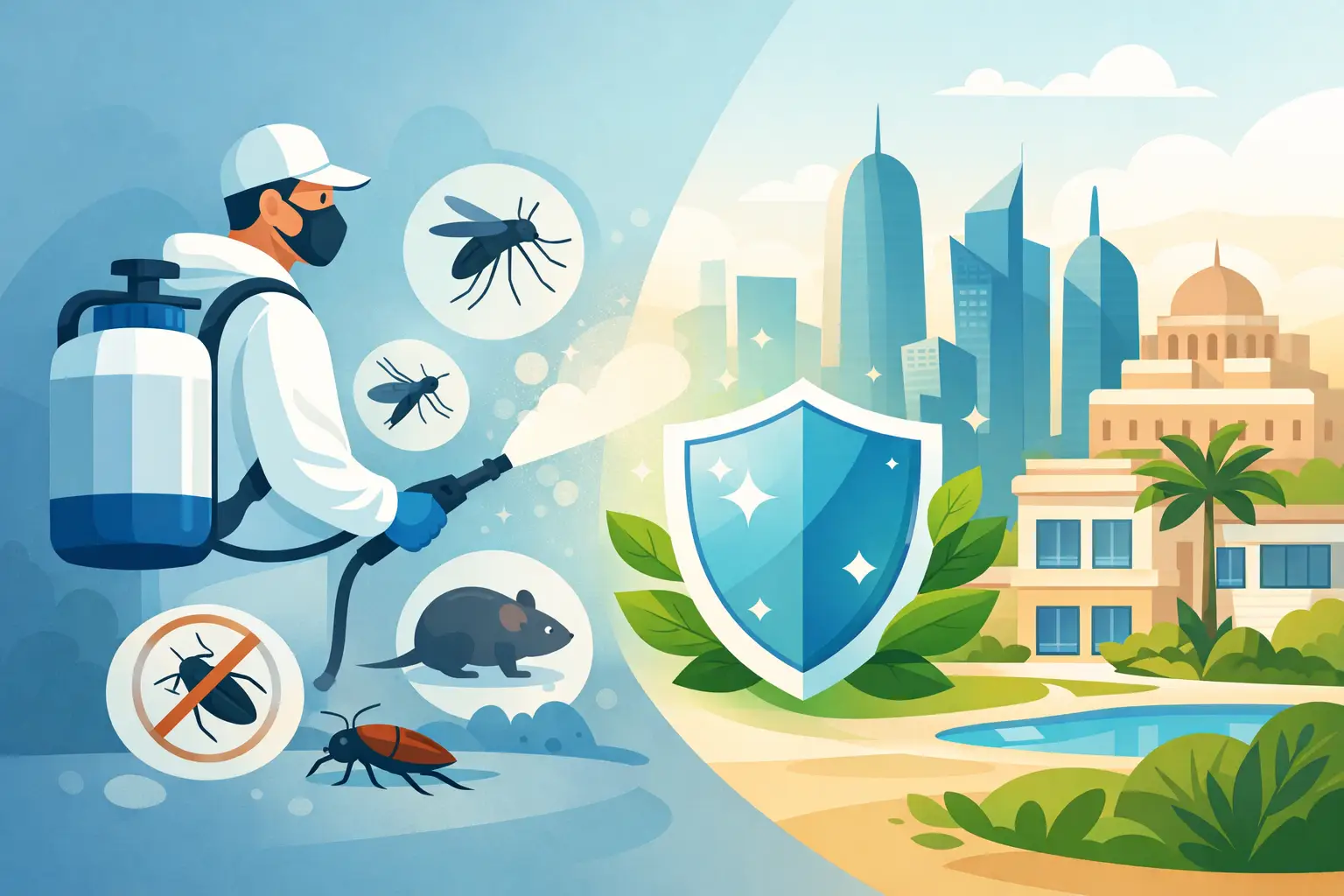
A cockroach appearing near the kitchen sink, tiny ants around a food container, or unexplained bites after sleep can quickly make a comfortable space feel less hygienic. Professional pest control Doha services help residents and businesses deal with the problem at its source, not just remove the pests visible that day. With the right inspection, treatment, and follow-up habits, your home or workplace can feel clean, safe, and comfortable again.
Thank you for reading this post, don't forget to subscribe!Why Pests Need Fast Attention in Doha
Doha’s warm climate, air-conditioned interiors, busy buildings, and shared service areas can create favorable conditions for pests. They may enter through gaps around pipes, balcony doors, drainage points, deliveries, food waste, or even neighboring units. A spotless property can still experience an infestation, especially in apartment buildings, villas, offices, restaurants, storage rooms, and staff pantries.
The issue is not only about inconvenience. Cockroaches can contaminate food-preparation areas. Rodents may damage wires, packaging, and stored supplies. Bed bugs can affect sleep and spread between rooms through luggage, furniture, or textiles. Flies and mosquitoes can make outdoor and indoor spaces uncomfortable when waste, water, or access points are not properly managed.
Waiting often makes treatment more difficult. A few pests may indicate hidden activity behind cabinets, inside wall gaps, beneath appliances, or near plumbing. Early action usually means a more targeted service, less disruption, and a better chance of preventing a larger infestation.
Common Signs You May Need Pest Control Doha
You do not need to wait until pests are regularly visible. Small changes around your property can be useful warning signs. Look for droppings in cabinets or behind appliances, gnaw marks on food packages, damaged wires, shed insect skins, egg cases, unusual smells, or grease marks along walls and baseboards.
For bed bugs, inspect mattress seams, bed frames, upholstered furniture, and nearby curtains for small dark spots or insects. Repeated bites can be a reason to investigate, but bites alone do not confirm bed bugs because skin reactions vary. A professional inspection is the sensible next step when you are unsure.
In offices, signs can be less obvious. A pantry with crumbs, overflowing bins, or unsealed supplies can attract cockroaches and ants after business hours. Rodent activity may be noticed through torn cartons, droppings in storage areas, or noises above ceilings. Regular cleaning helps reduce these conditions, but treatment is needed when pests have already established themselves.
What Professional Pest Treatment Should Include
Reliable pest control starts with identifying the actual pest and the conditions allowing it to remain. Different pests require different approaches. Spraying every surface without inspection may provide short-term relief, but it does not always address nesting areas, entry points, food sources, or breeding conditions.
A professional visit should begin with an assessment of affected rooms, likely access points, moisture concerns, waste areas, and the level of activity. The technician can then recommend a treatment plan based on the pest, the property type, and the needs of children, pets, employees, or customers on site.
Depending on the situation, treatment may involve targeted applications, bait stations, traps, gel treatments, or recommendations for sanitation and exclusion work. Bed bug and rodent cases, in particular, may require follow-up visits. This is not a sign that the service failed. Eggs may hatch later, hidden pests may emerge after the first treatment, and a complete result often depends on both professional work and property preparation.
Before treatment, you may be asked to clear kitchen counters, store food properly, move small items away from walls, wash bedding, or allow access to problem areas. Follow any re-entry instructions carefully. The safest plan is always one tailored to your space and explained clearly before work begins.
Cleaning and Prevention Work Better Together
Pest treatment removes active problems, while consistent cleaning makes the environment less attractive for pests afterward. Neither replaces the other. A clean property can have pests because of building entry points, and pest treatment alone cannot compensate for open food, standing water, or poorly managed waste.
In homes, focus on food storage, crumbs beneath appliances, pet bowls, bathroom moisture, balcony drains, and garbage bins. Wipe spills promptly, use covered bins, and avoid leaving cardboard boxes or unused items stacked in damp areas. Check window screens, door gaps, and openings around utility pipes where possible.
For businesses, a dependable cleaning schedule is part of good pest prevention. Pantries, break rooms, reception areas, washrooms, storage rooms, and waste collection points need attention beyond what is visible during working hours. Regular deep cleaning can remove grease, food residue, dust buildup, and hidden debris that attract insects.
Cleaning Company can coordinate practical property-care support for Doha homes and workplaces, including cleaning, deep cleaning, sanitation, and pest control services. This makes it easier to maintain a fresh environment after treatment without arranging multiple providers or losing time managing every detail yourself.
Choosing the Right Service for Your Property
The best pest control plan depends on what you are dealing with. A one-time treatment may suit a minor, isolated issue discovered early. A recurring plan can be more appropriate for commercial spaces, buildings with frequent deliveries, food-handling areas, or properties that have had repeated pest activity.
When booking, be clear about where pests were seen, how long the issue has been happening, whether you have tried any store-bought products, and whether children or pets use the area. Photos can be helpful when available, especially if the pest is not visible during the appointment. Accurate information helps the team arrive prepared and choose the most suitable treatment.
Price matters, but the lowest quote is not always the best value. Ask what pest is being treated, whether follow-up is advised, what preparation is required, and what prevention steps you should take afterward. A clear service process, punctual arrival, trained staff, and straightforward guidance offer more peace of mind than a quick treatment with no explanation.
After Treatment: Simple Habits That Protect Results
After pest treatment, give the process time to work according to the instructions provided. You may notice increased activity briefly as pests leave hiding places or interact with bait. Avoid immediately washing or spraying treated areas unless the technician tells you it is safe to do so.
Keep food sealed, take waste out regularly, and repair moisture leaks as soon as possible. Vacuum carpets, clean under furniture, and keep storage areas organized so future signs are easier to spot. In apartments and shared buildings, report repeated issues to property management because entry points or activity in nearby units can affect your space.
For offices, assign responsibility for pantry checks, bin removal, and supply storage. Small routines are easier to maintain than a major cleanup after pests return. The goal is not to make life complicated. It is to keep your clean space from becoming a convenient shelter or food source.
A Cleaner Space Starts With One Prompt Call
Pests should not take over your kitchen, bedroom, office, or customer-facing space. If you have noticed signs of activity, arrange an inspection while the issue is still manageable. With professional treatment, careful cleaning, and a few practical prevention habits, you can get back to enjoying the fresh, hygienic property you expect.