When an office starts to feel dusty, smells stale, or shows fingerprints on every glass panel, the problem is usually not one big mess. It is the steady buildup of small things that affect how the workplace looks, feels, and functions. That is why many managers ask the same question: what does office cleaning services include, and what should they expect from a professional team?
Thank you for reading this post, don't forget to subscribe!The short answer is that office cleaning usually covers routine tasks that keep workspaces clean, hygienic, and presentable. The longer answer is that the exact scope depends on the size of the office, the number of employees, the type of business, and whether you need daily upkeep or occasional deep cleaning. A reliable cleaning provider should explain that clearly before work begins.
What does office cleaning services include in most workplaces?
In most offices, cleaning services focus on the areas people use every day. That means workstations, meeting rooms, reception areas, break rooms, restrooms, floors, and shared touchpoints. The goal is not only to improve appearance, but also to support hygiene and create a more comfortable place to work.
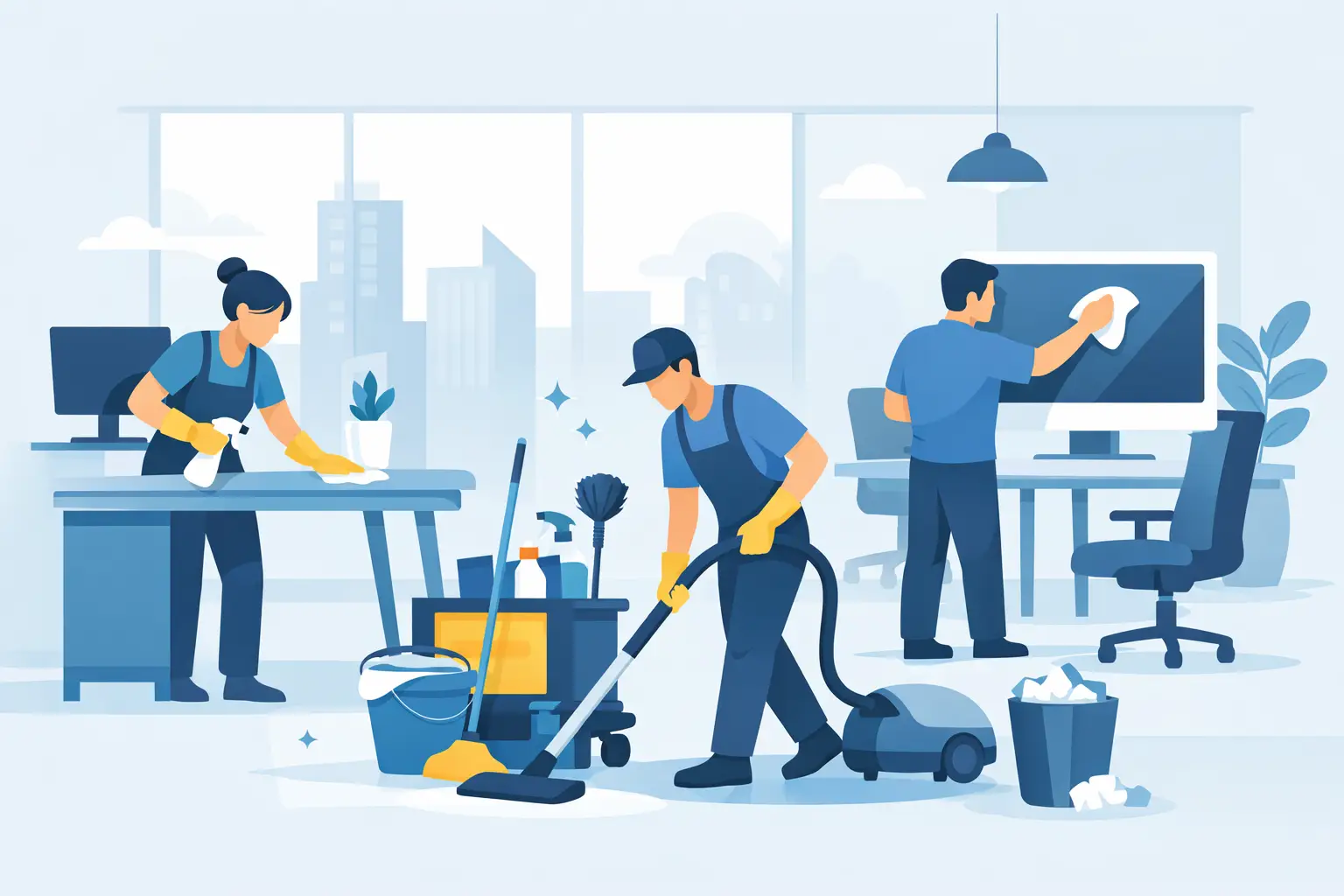
A standard office cleaning visit often includes dusting desks and surfaces, wiping counters, emptying trash bins, vacuuming carpets, sweeping and mopping hard floors, and cleaning restrooms. It may also include sanitizing door handles, switches, and other high-contact areas. For many businesses, these routine tasks are the foundation of a clean office.
That said, not every provider includes the same details in a basic package. Some clean only visible surfaces. Others include more complete restroom sanitation, pantry cleaning, and internal glass cleaning. This is where clear expectations matter.
Reception and common areas
Reception is the first space clients, visitors, and staff see. If it looks neglected, it shapes impressions immediately. Cleaning in this area usually includes dusting furniture, wiping reception counters, cleaning glass partitions or entry doors, vacuuming rugs, and mopping floors.
Common areas such as waiting spaces, hallways, and shared lounges are also part of regular service. These areas collect dust quickly because of constant foot traffic, and they need consistent attention to stay fresh.
Workstations and office rooms
In individual office rooms and open-plan workspaces, cleaning teams usually dust accessible surfaces, wipe desks if requested, clean around computers and phones carefully, empty bins, and vacuum or mop the flooring. Some companies ask cleaners not to move paperwork or personal items, which is common in active office environments.
This is one area where it depends on your workplace policy. If employees leave confidential documents, valuable equipment, or delicate electronics on desks, the cleaning plan may need limits or special instructions. A professional company will work around that without disrupting your operations.
Meeting rooms and executive spaces
Meeting rooms need regular cleaning because they are used by multiple people throughout the day. Tables, chairs, remote controls, presentation surfaces, and glass panels often collect dust and fingerprints. A standard service usually covers surface wiping, floor cleaning, bin emptying, and light sanitizing.
Executive offices may receive the same level of cleaning, but some businesses request extra care for wood finishes, decorative materials, or higher-end furnishings. In those cases, the products and method matter just as much as the task itself.
Restroom and pantry cleaning are not optional
Restrooms and pantry areas have the biggest impact on hygiene. If they are cleaned poorly, employees notice right away. These spaces should never be treated as an afterthought.
Restroom cleaning usually includes scrubbing toilets and urinals, cleaning sinks and mirrors, wiping partitions, disinfecting touchpoints, mopping floors, emptying bins, and restocking consumables if that is part of the agreement. A good service should leave the restroom looking clean and smelling fresh, not just quickly wiped down.
Pantries and kitchenettes usually involve wiping counters, cleaning sinks, removing surface grease, mopping floors, and emptying trash. Some providers also clean the exterior of microwaves, fridges, and cabinets. Interior appliance cleaning may be available, but it is often considered a separate task unless agreed in advance.
Floor care is a major part of office cleaning
Floors make up a large part of what people see, and they often show dirt before other surfaces do. Carpeted offices usually need vacuuming on every routine visit, especially near entrances, corridors, and under shared desks. Hard floors need sweeping and mopping, and some materials need more careful treatment to avoid damage.
Basic floor care is usually included in recurring office cleaning, but restorative services often cost extra. That may include machine scrubbing, polishing, buffing, stain treatment, or deep carpet cleaning. These services are less frequent, but they help extend the life of your flooring and improve the overall appearance of the space.
High-touch disinfection
Many businesses now expect more than basic cleaning. They want targeted sanitation for shared surfaces such as door handles, elevator buttons, handrails, desk edges, conference tables, and restroom fixtures. This can be part of daily service or added as a higher-frequency hygiene measure.
For offices with heavy visitor traffic, customer-facing areas, or stricter hygiene expectations, disinfection may be especially important. It is one of the clearest examples of where office cleaning goes beyond appearance and supports workplace health.
What is often not included in basic office cleaning?
This is where misunderstandings happen. A business may assume windows, carpets, upholstery, and deep stain removal are all part of a normal visit. In reality, many of those tasks fall outside standard routine cleaning.
External window cleaning, high-level dusting, ceiling vent cleaning, deep carpet shampooing, sofa cleaning, and post-construction cleanup are commonly separate services. So are pest control, full disinfection treatments, and intensive deep cleaning after relocation or renovation. They are valuable services, but they are usually scheduled separately because they require different equipment, more time, or specialist products.
Consumables can also be a gray area. Some providers refill soap, tissues, and paper towels only if the client supplies them. Others include supply management as part of the contract. It is always better to ask than assume.
How often should office cleaning be scheduled?
The right schedule depends on how busy the office is. A small office with limited staff may do well with cleaning two or three times a week. A larger workplace with daily visitors, shared restrooms, and pantry use may need daily service or even multiple visits in one day.
The nature of the business matters too. A corporate office with controlled access has different cleaning needs than a medical admin office, showroom, retail back office, or coworking space. More people usually means more touchpoints, more waste, and faster buildup of dirt.
In Doha, dust can also become a practical reason for more frequent cleaning. Even well-managed offices can see faster accumulation on surfaces, floors, and entry areas. That makes consistent routine service more than a cosmetic choice.
What to expect from a professional office cleaning provider
A dependable office cleaning service should offer more than a checklist. It should bring punctual staff, clear communication, proper equipment, safe cleaning products, and consistent quality from visit to visit. Reliability matters as much as cleaning skill because office managers need a service they do not have to chase.
You should also expect a provider to ask practical questions before starting. How many workstations are there? Are there carpeted areas? What are your busiest hours? Are there sensitive rooms or materials? Do you need after-hours service? These details shape the cleaning plan and help avoid gaps.
For businesses that want one provider for recurring cleaning plus specialist support, it helps to work with a company that can also handle carpet cleaning, deep cleaning, sofa cleaning, disinfection, and similar services when needed. Cleaning Company is one example of a provider built around that kind of flexibility.
How to choose the right office cleaning scope
The best approach is to match the service scope to your actual office needs, not the cheapest package on paper. A low price can look appealing until you realize restrooms are only lightly cleaned, touchpoints are skipped, or floor care is too basic for your traffic level.
Ask for a clear breakdown of what is included in routine visits, what counts as an extra service, and how often each area will be cleaned. If you need daily restroom sanitation but only weekly desk dusting, that should be reflected in the plan. Good office cleaning is not one-size-fits-all.
A clean office supports more than presentation. It helps staff feel comfortable, keeps shared areas more hygienic, and reduces the stress of managing cleaning problems internally. The right service should make your workplace easier to run, not give you another task to monitor.
If you are comparing providers, look past general promises and focus on specifics. The difference between an acceptable cleaning service and a dependable one usually comes down to consistency, clarity, and whether the team understands how your office actually works. A cleaner office starts with a better scope, not just a better quote.